
Chiropractic care improve mobility and function by restoring healthier joint motion, reducing protective muscle guarding, and helping your body move with less pain and less compensation. In real life, that means you may turn your neck more comfortably, take deeper steps, reach overhead with less pulling, and get back to normal tasks with better control.
Key points on how chiropractic care improve mobility and function
- Mobility problems often start with joint restriction, inflammation, and muscle guarding after injury.
- A detailed exam focuses on range of motion, posture, and movement patterns, not just where it hurts.
- Targeted adjustments and soft-tissue work may help joints move more freely and muscles relax.
- Rehab-style guidance can help you keep the gains between visits.
- After a car accident or work injury, getting evaluated early can support cleaner documentation and a smoother recovery plan.
Why mobility and function drop so fast after an accident
After a collision or a sudden work strain, your body goes into protection mode. Even if X-rays are “fine,” soft tissues can be irritated and joints can become guarded. I see this constantly in Portland: people feel “stiff everywhere,” then a few days later they notice they can’t rotate their neck, their mid-back feels locked, or their shoulder won’t lift smoothly.
The most common drivers are:
- Inflammation around irritated joints and tissues
- Muscle spasm and guarding that limits motion on purpose
- Altered mechanics from bracing during impact
- Compensation patterns that spread pain into nearby areas
This is one reason I take reduced mobility seriously. Limited motion isn’t only uncomfortable. It can change how you walk, sit, lift, and sleep, which can keep the whole problem alive longer than it should.
How chiropractic care improve mobility and function in the body
When people ask me what “improves mobility” actually means, I keep it simple: motion is a joint-and-muscle conversation. If a joint isn’t gliding well, muscles tighten. If muscles stay tight, the joint stays restricted. The goal is to interrupt that loop.
What chiropractic care often targets:
- Joint restrictions in the spine, pelvis, ribs, and extremities
- Muscle tension that pulls you off-center
- Movement patterns that overload one side
- Nervous system “guarding” that makes you feel stuck
Clinical sources describe chiropractic adjustments as a way to gently realign joints to decrease pain and increase range of motion, and many care plans also include soft-tissue work plus exercises and stretches to maintain mobility.
chiropractic care improve mobility and function after whiplash
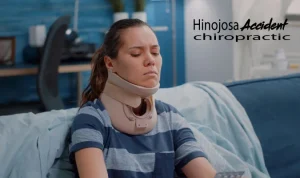
Whiplash is one of the biggest “mobility killers” I see. You might feel it as neck stiffness, headaches, upper-back tightness, or even weird shoulder and arm symptoms. After the crash, the body braces and the neck often loses rotation first. Then the upper back stiffens. Then the shoulder starts compensating.
In practice, the plan usually focuses on:
- Restoring safer neck and upper-back movement in small, tolerable steps
- Reducing muscle guarding so motion feels less threatening
- Improving posture mechanics so you’re not re-irritating tissues all day
If your symptoms include arm heaviness, tingling, or shoulder pain, it’s also worth looking at how the neck and shoulder work together. This is where the pattern matters, not just the location of pain. If that sounds familiar, our related page on shoulder and arm pain aligns well with what many crash patients experience.
What happens if you ignore restricted mobility
I’m direct about this because I’ve watched it happen. When people “wait it out,” they often develop compensation habits that become the new normal.
Common consequences I see when mobility stays restricted:
- Stiffness spreads from one area into multiple regions
- Sleep positions become limited and recovery slows
- More flare-ups with simple tasks like driving, lifting, or working overhead
- Reduced function at work, especially in physical jobs
- Longer timelines because the body learned a guarded pattern
And in accident cases, waiting can also complicate documentation. When symptoms are real but delayed care creates gaps, it can add stress you don’t need.
What an evidence-based chiropractic visit may include
I don’t treat mobility like a guess. A solid visit starts with measurement, not assumptions. Many clinics evaluate posture, range of motion, muscle tension, and movement patterns, then build care around what’s restricted and why.
Depending on your presentation, care may include:
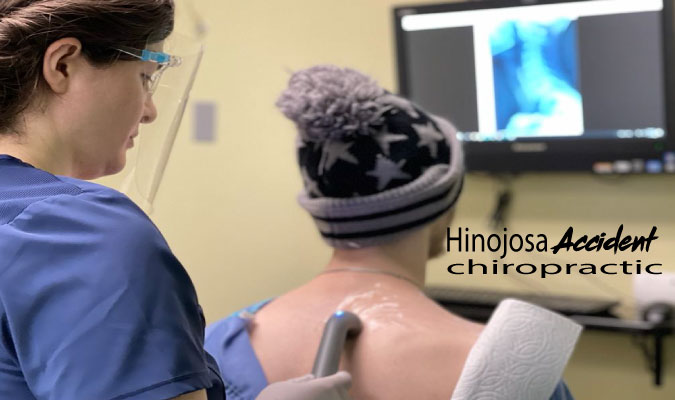
- Chiropractic adjustments to address restricted joint motion and support better mechanics
- Soft-tissue approaches to help tight muscles and fascia calm down
- Guided mobility work so the improvements stick between visits
- Practical activity modifications so you can keep living without constantly re-irritating the area
If your mobility loss started after a collision, you may also want to read our page on mobility and function after a car accident. It matches what I see daily: stiffness is rarely “just stiffness” after impact.
chiropractic care improve mobility and function with a simple 4 step plan
If you want a clean, practical approach, here’s what I recommend most often for accident and work-injury mobility cases.
- Get your baseline measured
We track what motions are limited and what positions provoke symptoms. That tells us where to start. - Reduce the “lockdown” first
Early care is about calming irritation and improving tolerable movement, not forcing aggressive stretching. - Restore joint motion and tissue glide
This is where targeted adjustments and soft-tissue work can help you move with less resistance. - Keep the gains with small daily inputs
A few minutes of the right mobility and stability work usually beats random stretching. Consistency matters more than intensity.
Schedule a same day visit in Portland
If your mobility dropped after a car accident or work injury, call (503) 926-7246 to ask about same-day appointments if available. At Hinojosa Chiropractic, Dr. Carlos Hinojosa and Dr. Vladislav Kostin focus on drug-free care designed to help reduce pain and restore function, and we can discuss PIP insurance options during your visit.
PIP insurance in Oregon and when out of pocket may be low
If your mobility issue is tied to a motor vehicle crash, Oregon PIP (Personal Injury Protection) may help cover medically necessary care, including chiropractic treatment, depending on your policy and circumstances. In many cases, that can reduce or eliminate out-of-pocket cost, but it’s not automatic and eligibility varies.
We keep this simple for patients: we explain what we need, what documentation matters, and how PIP typically works in the real world. If you want the detailed breakdown, our page on PIP insurance covers the basics in plain English.
chiropractic care improve mobility and function when you want lasting change
Mobility is not just flexibility. It’s control. When you regain motion but can’t stabilize it, symptoms tend to bounce back. That’s why I like a combined approach: restore motion, then reinforce it with simple movement strategies.
This matters even more after accidents. Many patients don’t just lose range of motion; they also lose confidence in movement. Instead of bending naturally, the body braces in anticipation of pain. Rotation shifts from the neck to the entire torso, and reaching overhead often turns into a shoulder hike rather than a smooth lift. Over time, these compensation patterns keep the nervous system on high alert and reinforce stiffness.
When care is done thoughtfully, the goal is to help your body feel safe moving again. That’s when function starts returning in a way you can trust.
FAQ
How does chiropractic care improve mobility and function after a car accident
It often starts by identifying which joints and tissues are restricted, then using targeted adjustments, soft-tissue work, and simple rehab guidance to help restore safer movement and reduce guarding.
How soon should I see a chiropractor after a crash
As soon as it’s safe and you’ve been medically cleared for serious injury concerns. Early evaluation can document symptoms and help address stiffness before compensation patterns set in.
Can chiropractic care help shoulder and arm mobility
Yes, especially when shoulder limitation is tied to neck or upper-back restriction after impact. Many cases need a whole-chain approach, not a single joint focus.
What are signs my restricted mobility is getting worse
Increasing stiffness, spreading pain, headaches with neck motion, loss of sleep positions, or needing to change how you walk, sit, or lift to “avoid” a painful range.
Does chiropractic care include exercises or stretches
Often, yes. Many care plans include stretches and exercises intended to restore and maintain mobility and stability between visits.
What is Oregon PIP insurance and can it cover chiropractic care
PIP is auto insurance coverage that may pay for medical care related to a crash, depending on your policy and eligibility. It can help reduce out-of-pocket cost in many accident cases, but details vary.
Get back to moving with confidence
If you’re in Portland or Gresham and your neck, back, or shoulder mobility changed after a car accident or work injury, call (503) 926-7246 to schedule an evaluation. You can also visit us at 205 NE 181st Ave, Portland, OR 97230, and we’ll discuss same-day availability, documentation needs, and PIP insurance questions in a straightforward way.