
Symptoms After a Car Accident Should You Never Ignore are the ones that suggest your body absorbed more force than you felt at the scene, especially headaches, neck stiffness, back pain, dizziness, tingling, numbness, limited movement, or symptoms that appear hours later. In Portland, Oregon, I tell people the same thing all the time: feeling “mostly fine” right after a crash does not always mean the injury is minor.
Key points you should know first
Some crash symptoms are delayed.
Whiplash, soft tissue injury, and nerve irritation often build over the next day or two.
Headaches, dizziness, and brain fog should not be brushed off.
Tingling or numbness may point to nerve involvement.
Early documentation matters for your recovery and for insurance steps.
Conservative chiropractic care may help reduce pain and improve mobility when the injury fits that type of care.
Symptoms After a Car Accident Should You Never Ignore When Pain Starts Late
One of the biggest mistakes I see is assuming that pain has to be immediate to be real. It does not. Delayed symptoms are common after a collision, and many competing pages ranking for this topic are winning because they explain that soreness, headaches, and numbness may show up hours or days later. That pattern is real, and it is one reason people end up waiting too long to get evaluated.
In my experience, the most overlooked injuries are not always the dramatic ones. They are the stiff neck the next morning, the low back pain that starts after you sit down at work, the shoulder tension that creeps in by evening, or the hand tingling that seems small until it keeps returning. I have seen patients walk in saying they only wanted “peace of mind,” and then we found a clear movement restriction or symptom pattern that matched whiplash or another soft tissue injury.
That is why I never frame post-accident pain as something you should simply wait out. A crash can overload muscles, ligaments, joints, and nerves before swelling and guarding fully set in. Once that happens, ordinary tasks suddenly feel harder. Turning your head while driving hurts. Sitting at your desk becomes irritating. Sleep becomes lighter because your neck or back will not settle down.
Symptoms After a Car Accident Should You Never Ignore in Your Head and Neck
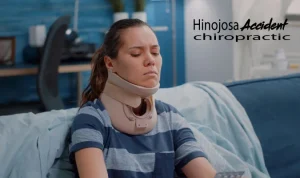
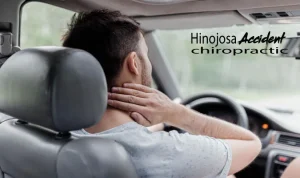
If I had to narrow this article down to one region, it would be the head and neck. Whiplash is one of the most common crash injuries, especially in rear-end impacts, and the symptoms are often delayed. Stiffness, headaches, dizziness, reduced range of motion, and pain that spreads toward the shoulders are classic warning signs. Several of the pages you shared lean heavily on that theme because it matches what people experience in real life.
Headaches deserve special attention. A headache after a collision can come from neck strain, muscle tension, or a more serious issue that needs medical attention. If the headache is severe, worsening, or paired with confusion, balance issues, nausea, blurred vision, or unusual sensitivity to light, you should not treat that as routine soreness. Those symptoms may require urgent medical evaluation.
I also want people to stop thinking they must hit their head to have a concussion. The force of a crash alone can jolt the brain enough to create symptoms such as brain fog, irritability, dizziness, fatigue, or that hard-to-describe feeling that something is off. That point appears across the higher-ranking pages for a reason.
When patients ask me whether they should “wait one more day,” I usually ask a better question: are your symptoms improving, or are they expanding? If the pain is spreading, if your neck is tightening, or if your focus feels worse instead of better, that is not the moment to gamble on time.
Symptoms After a Car Accident Should You Never Ignore in Your Back and Limbs
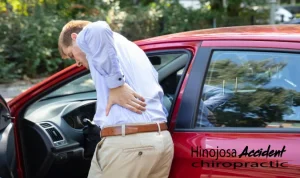
Back pain after accident trauma is another symptom people normalize too quickly. Some think low back pain means they slept wrong after the crash. Others assume upper back tension is just stress. Sometimes it is a simple strain, but sometimes it reflects a deeper mechanical problem, especially if bending, twisting, sitting, or getting out of bed becomes harder.
Then there is tingling and numbness. I pay close attention to those symptoms because they may suggest nerve irritation or compression. If numbness keeps returning in your fingers, toes, arms, or legs, that is not a detail I would dismiss. One of the Oregon pages you shared makes this point clearly: numbness can be a major red flag when it lingers or comes back.
This is also where soft tissue injury gets underestimated. People hear “soft tissue” and think “minor.” I do not. Soft tissue injuries can affect how you move, sleep, work, and drive. They can limit rotation, trigger muscle guarding, and keep inflammation active longer than expected.
A lot of readers searching this topic are also really asking whether they should see an accident chiropractor in Portland even when symptoms did not start right away. That is a fair question. In many cases, once emergency issues are ruled out, a conservative evaluation can help clarify what is muscular, what is joint-related, and what needs referral or additional imaging.
What I Usually Tell Patients to Do Next
First, pay attention to the timeline. Write down what you feel today, what changed since the crash, and what movements trigger symptoms.
Second, do not minimize neck pain, headaches, dizziness, back pain, tingling, or numbness just because you managed to finish the day.
Third, get evaluated while the history is still fresh. Early documentation is practical. It helps guide care and can matter later when insurance questions start.
Fourth, follow the plan that matches your presentation. Conservative chiropractic care may help reduce pain, improve mobility, and support injury recovery when the problem involves whiplash, restricted motion, or spine-related soft tissue injury. Individual results vary. At Hinojosa Chiropractic, that kind of care is framed around thorough evaluations, communication, and individualized planning rather than inflated promises.
Care That Makes Sense After a Crash
When I talk about chiropractic care after a collision, I am not talking about a one-size-fits-all adjustment and a quick goodbye. I am talking about a practical process. That may include a focused exam, movement testing, symptom review, and a care plan built around your actual limitations.
That is also why pages like Can I see a chiropractor after a car accident and PIP insurance in Portland matter in the journey. People are not just searching symptoms. They are searching what to do next, whether same-day appointments are possible, and whether they may have no out-of-pocket cost when coverage applies.
At Hinojosa Chiropractic, Dr. Carlos Hinojosa and Dr. Vladislav Kostin are positioned around conservative accident-related care, with a focus on Portland, Gresham, and the 97230 area. The clinic messaging also emphasizes communication, documentation support when applicable, and accessible care for accident cases.
Get Checked Before Delayed Pain Gets Worse
If your symptoms are starting to build instead of settle, call Phone: (503) 926-7246 to ask about same-day appointments when available. For many people in Portland or Gresham, getting evaluated early is the simplest way to stop guessing and start a clear recovery plan.
How PIP Insurance Fits Into This
A brief word on PIP insurance, because readers dealing with a car accident in Oregon usually need this explained clearly. In general, Oregon PIP may help cover qualifying chiropractic care after a motor vehicle accident, subject to policy terms, medical necessity, and benefit limits. That is one reason people often search for how to use PIP insurance or whether chiropractic care may be covered.
I do not like overcomplicating this part. The practical takeaway is simple: if you were in a crash and symptoms are showing up now, do not assume cost is the reason to delay asking questions. Ask whether your case may qualify, what paperwork is needed, and what next step makes sense.
Questions People Ask Before They Book
What Symptoms After a Car Accident Should You Never Ignore
Headaches, neck stiffness, dizziness, back pain, numbness, tingling, weakness, reduced range of motion, and symptoms that appear later are the main ones I would not brush off after a crash.
Can whiplash symptoms start the next day
Yes. Whiplash symptoms often appear hours later or the next day, especially as inflammation and muscle guarding increase.
Is numbness after a car accident serious
It can be. Numbness or tingling may suggest nerve involvement, particularly when it keeps returning or appears with neck or back pain.
Should I see a chiropractor if I felt fine right after the accident
That can be reasonable once emergency issues are ruled out, especially if delayed pain, stiffness, or motion loss starts to show up.
Can PIP insurance help cover chiropractic care in Oregon
It may, depending on the claim, coverage rules, and medical necessity. That is why early documentation and a clear evaluation matter.
Do same-day appointments matter after a crash
They can. When symptoms are growing quickly, same-day appointments may help you get evaluated before more time passes and your history becomes harder to document accurately.
A Smarter Move While Symptoms Are Still Fresh
If you are dealing with pain after car accident symptoms in Portland, Oregon, call Phone: (503) 926-7246 to schedule an appointment with Hinojosa Chiropractic. The clinic is located at 205 NE 181st Ave, Portland, OR 97230, serves nearby Gresham, and offers conservative care focused on accident injury cases, with same-day appointments when available and support in English, Spanish, Russian, or Ukrainian.