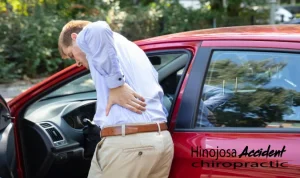

Mobility and function after a car accident can change fast—sometimes within hours, sometimes a few days later. You might feel “mostly fine,” but notice your neck won’t turn normally, your low back tightens when you stand up, or your shoulder doesn’t move the way it did before. That loss of motion can affect everything from driving and working to sleeping comfortably.
In Portland, Oregon, it’s common to see people push through stiffness and hope it fades. The problem is that post-accident restrictions can linger if the underlying irritation, joint dysfunction, or protective muscle guarding isn’t addressed. A conservative approach like chiropractic care may help reduce pain, improve movement, and support a more confident return to daily activities—especially when paired with a clear plan and consistent follow-through.
Why mobility drops after a collision even at low speeds
After a crash, your body’s first job is protection. Even a low-speed impact can trigger a chain reaction: joints become irritated, soft tissues get strained, and your nervous system increases muscle tension to “splint” the area. That guarding can be useful short-term, but it often reduces range of motion and makes normal movement feel risky.
You may also develop compensations without realizing it. If your neck feels sore, you might rotate your torso instead of turning your head. If your low back tightens, you may shorten your stride or avoid bending. Those adaptations can keep pain from spiking in the moment, but they can also reinforce stiffness and reduce function over time.
A key point: delayed symptoms are common. It’s not unusual to feel worse 24–72 hours later as inflammation settles in and the adrenaline of the event wears off. If mobility is decreasing rather than improving, it’s a sign you may benefit from an evaluation.
Mobility and function after a car accident and the role of whiplash
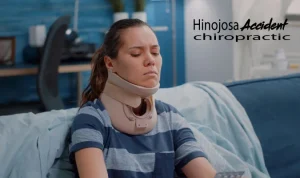
Whiplash is often described as a neck injury, but it can involve the upper back, shoulders, and even the low back depending on the position of your body during impact. The classic pattern is sudden acceleration-deceleration that stresses joints, ligaments, and muscles. When those tissues are irritated, the body tends to restrict motion—especially rotation and side bending—because those movements feel unstable or painful.
If you suspect whiplash symptoms like neck stiffness, headaches, shoulder tightness, or pain when turning your head, you can read more about whiplash-focused care here: https://hinojosachiropractic.com/chiropractor-for-whiplash-injuries/
Ignoring whiplash-related restriction can also affect daily function in subtle ways, such as difficulty checking blind spots, sitting at a desk comfortably, or lifting without bracing.
What happens when restricted movement is left alone
Some soreness after a crash can resolve on its own. But persistent restrictions can carry risks that matter to your everyday life:
- Stiffness that becomes “normal,” limiting motion even after pain improves
- Compensations that overload other areas (like the opposite shoulder or hip)
- Sleep disruption, which can slow recovery and increase sensitivity to pain
- Reduced confidence with activity, leading to deconditioning
- Lingering headaches or nerve irritation symptoms in some cases
If you notice your movement is plateauing, getting worse, or forcing you to change how you work, drive, or exercise, it’s worth getting a plan instead of guessing.
Mobility and function after a car accident and how chiropractic care may help
Chiropractic care after a collision is typically focused on restoring motion, calming irritated tissues, and improving how your body coordinates movement again. Care plans vary by person, but may include:
- A thorough history and movement-based exam to identify what’s limited and why
- Gentle, targeted chiropractic adjustments to help restore joint mobility where appropriate
- Soft tissue strategies to address muscle tightness and protective guarding
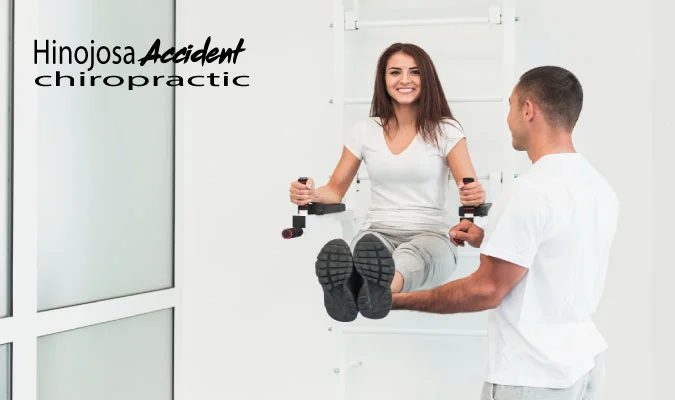
- Mobility exercises that fit your exact limitations (neck rotation, thoracic movement, hip motion, etc.)
- Strength and stabilization guidance to support function—especially for the neck, core, and shoulder girdle
- Re-evaluations that track objective changes in range of motion and tolerance to activity
The goal isn’t just to “feel better” for a day. It’s to help you move better and do more, with fewer flare-ups, while staying within a conservative and responsible approach. Individual results vary, and progress often depends on how early care begins, the severity of injury, consistency, and overall health.
If you’ve wondered how conservative care can fit into recovery pacing, this overview may help: https://hinojosachiropractic.com/chiropractic-care-can-speed/
When to consider an exam and what to bring
Consider scheduling an evaluation if any of the following are true:
- Your range of motion is clearly reduced (neck, back, shoulder, hip)
- Pain or stiffness increases after sitting, driving, or sleeping
- Symptoms appeared a day or two after the crash
- You feel unsteady, “locked up,” or hesitant to return to normal activity
- You’re relying on pain meds just to get through the day
If you have an accident claim, bring your insurance information, the date of the collision, and any medical notes or imaging reports you’ve received. Clear documentation supports continuity of care and helps reduce administrative friction.
A practical note on Oregon PIP insurance
Oregon auto policies typically include Personal Injury Protection (PIP), which can help pay for medically necessary care after a car accident, regardless of fault. Coverage details vary by policy, but many people have at least $15,000 available for medical services, and the time window to use benefits may extend up to two years depending on coverage rules and circumstances. If PIP applies to your case, it may reduce or eliminate out-of-pocket cost for covered care.
If you’re trying to budget and want transparent expectations, this page can help you understand common pricing questions as well: https://hinojosachiropractic.com/chiropractor-near-me-prices/
How to rebuild movement safely between visits
The fastest way back to normal function is rarely “rest forever” or “push through hard workouts.” Most people do best with controlled, progressive movement:
- Short walks and frequent position changes instead of long sitting stretches
- Gentle range-of-motion drills that don’t spike pain
- Heat or ice as tolerated for symptom management (especially early on)
- Avoiding sudden end-range stretching if it reproduces sharp pain
- Gradually returning to lifting and exercise with technique and pacing
If you’re unsure what’s safe, that uncertainty itself is a reason to get evaluated. A good plan should tell you what to do, what to avoid for now, and how to measure progress.
FAQ
Can a chiropractor improve mobility and function after a car accident?
Chiropractic care may help reduce pain and improve range of motion by addressing joint restriction, muscle guarding, and movement compensation patterns. Results vary based on injury severity, timing, and consistency.
How soon should I get checked if I feel stiff after a crash?
If stiffness limits daily activities, worsens over 24–72 hours, or changes how you move, an exam sooner rather than later can help clarify what’s going on and guide next steps.
What if I feel pain days after the accident instead of right away?
Delayed symptoms are common. Muscle guarding, inflammation, and stress responses can make discomfort show up later. If new symptoms appear, don’t assume it’s “nothing.”
Do I need imaging before chiropractic care?
Not always. Many cases can be assessed with a clinical exam first. If your history or exam suggests a need for imaging, you may be referred appropriately.
Will PIP insurance cover chiropractic care in Oregon?
Often, yes—PIP may cover medically necessary care after an auto accident regardless of fault, though benefits and time limits depend on the policy and situation.
Two next steps that keep recovery moving
If your movement feels restricted, the most helpful first step is an exam that measures what’s limited and identifies why—so you’re not guessing. Hinojosa Chiropractic in the 97230 area serves Portland and nearby communities like Gresham, and same-day appointments may be available.
Call (503) 926-7246 to schedule a same-day appointment if available and ask whether your case may qualify for PIP-related coverage.
If you’re trying to return to normal driving, work, and workouts without constantly “tightening up,” a focused plan can make the process more straightforward. You’ll get clearer milestones: less stiffness, better range of motion, and improved tolerance to everyday activity—without overpromising outcomes.
Call (503) 926-7246 to book an evaluation at 205 NE 181st Ave, Portland, OR 97230.