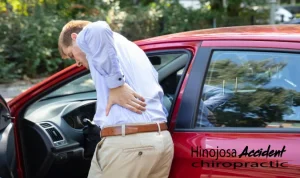


Delayed Symptoms After a Car Accident are more common than many people realize. It is possible to walk away from a crash feeling fine and then develop headaches, neck stiffness, dizziness, or pain days later. If you were involved in a collision in Portland, Oregon, understanding these delayed symptoms can help you make informed decisions about your health and recovery.
Key points you will learn
• Why symptoms may appear hours or days after a collision
• Which delayed symptoms deserve prompt attention
• How chiropractic care may support injury recovery
• What steps to take after noticing new symptoms
• How PIP insurance may help cover accident-related care
Why symptoms do not always appear immediately
After a car accident, your body often releases adrenaline and other stress hormones. These natural responses can temporarily mask discomfort and make injuries harder to notice during the first hours after a crash.
As those hormones decrease, symptoms may become more noticeable. This is especially true for soft tissue injury cases involving muscles, ligaments, and connective tissues. Many people do not experience significant discomfort until one or more days later.
Even a low-speed collision can place unexpected forces on the neck, back, and shoulders. As inflammation develops, symptoms often become easier to recognize.
Delayed Symptoms After a Car Accident and headaches
Headaches are one of the most common delayed symptoms following a collision. They may develop because of muscle tension, joint irritation, inflammation, or whiplash-related injuries affecting the neck.
A headache that appears after a crash does not automatically indicate a serious condition. However, persistent headaches should never be ignored, especially when accompanied by dizziness, concentration problems, visual changes, or increased neck pain.
Early evaluation can help identify whether the symptoms are related to accident-related injuries and whether conservative treatment may be appropriate.
Common signs that should not be ignored
Many accident victims assume that pain must be immediate to be significant. In reality, several symptoms frequently appear later.
Common examples include
• Neck pain after accident
• Back pain after accident
• Headaches
• Shoulder pain
• Reduced range of motion
• Muscle stiffness
• Tingling or numbness
• Fatigue
• Difficulty concentrating
These symptoms may affect daily activities, work performance, sleep quality, and overall mobility. When symptoms continue to worsen instead of improving, professional evaluation becomes increasingly important.
For additional insight into injuries that many people overlook after a collision, review https://hinojosachiropractic.com/car-accident-injuries-people-ignore/ as part of your recovery research.
How whiplash can create delayed symptoms
Whiplash treatment is often associated with people who experience neck pain immediately after a crash. However, many patients do not notice symptoms until days later.
During a collision, the neck can move rapidly forward and backward. This sudden motion may strain muscles, ligaments, and joints. As inflammation develops, individuals often begin experiencing stiffness, headaches, and limited mobility.
Because symptoms can emerge gradually, many people delay seeking care. Unfortunately, waiting too long may allow discomfort and mobility restrictions to become more difficult to manage.
Delayed Symptoms After a Car Accident and daily life
Delayed Symptoms After a Car Accident can affect more than physical comfort. Many individuals notice challenges while working, driving, exercising, or caring for family responsibilities.
Even moderate pain may interfere with concentration and productivity. Reduced neck mobility can make driving uncomfortable. Persistent headaches may impact sleep and energy levels.
Addressing symptoms early may help support recovery and reduce the likelihood of prolonged limitations. Every case is unique, and individual results vary, but prompt attention often provides a clearer understanding of the injury and available treatment options.
What to do when symptoms appear
If symptoms develop after a collision, taking a structured approach can be helpful.
First, pay attention to new or worsening symptoms.
Second, document changes in pain levels, mobility, headaches, or other concerns.
Third, seek a professional evaluation to determine whether your symptoms may be connected to the accident.
Fourth, follow recommendations for monitoring and treatment when appropriate.
These steps can also help create clear documentation for insurance-related processes when needed.
Support for accident injury recovery
At Hinojosa Chiropractic, accident-related injuries are a primary focus of care. Dr. Carlos Hinojosa and Dr. Vladislav Kostin provide conservative chiropractic care designed to help patients understand their injuries and explore treatment options that may help reduce pain and improve mobility.
Many patients seek care for injury recovery after experiencing delayed symptoms that interfere with everyday activities. Treatment plans are individualized and based on each patient’s condition and goals.
The clinic also assists patients with documentation related to accident cases when applicable.
Schedule an evaluation before symptoms worsen
If headaches, neck stiffness, or other delayed symptoms begin appearing after a collision, an evaluation may help identify the source of the problem. Hinojosa Chiropractic offers same-day appointments when available for accident-related concerns. Call Phone (503) 926-7246 to schedule an appointment and discuss your symptoms with an experienced accident chiropractor.
Understanding PIP insurance in Oregon
Many people worry about treatment costs after a collision. Oregon PIP insurance may help cover certain medical expenses related to motor vehicle accidents, depending on the circumstances and coverage available.
Because every situation is different, it is important to verify benefits and understand available options. Patients often appreciate guidance regarding documentation and insurance-related processes while focusing on recovery.
Seeking evaluation early can help ensure symptoms are documented appropriately and treatment decisions are made based on current findings.
Get help from an accident chiropractor in Portland
If you are experiencing Delayed Symptoms After a Car Accident in Portland or nearby Gresham, professional evaluation may help clarify what is causing your symptoms and what next steps make sense for your recovery. Visit Hinojosa Chiropractic at 205 NE 181st Ave, Portland, OR 97230 or call Phone (503) 926-7246 to schedule a same-day appointment when available.
Answers that may help you move forward
How long after a crash can symptoms appear
Some symptoms appear within hours, while others may take several days or even longer to become noticeable.
Are headaches after a car accident normal
Headaches are common after collisions, especially when neck structures have been affected. Persistent or worsening headaches should be evaluated.
Can whiplash symptoms be delayed
Yes. Many people develop whiplash-related symptoms one or more days after the accident.
Should I see an accident chiropractor if pain starts later
An evaluation may help determine whether your symptoms are related to the collision and whether conservative care could be beneficial.
Will PIP insurance help cover treatment
Depending on your coverage and circumstances, Oregon PIP insurance may help pay for accident-related medical care.