
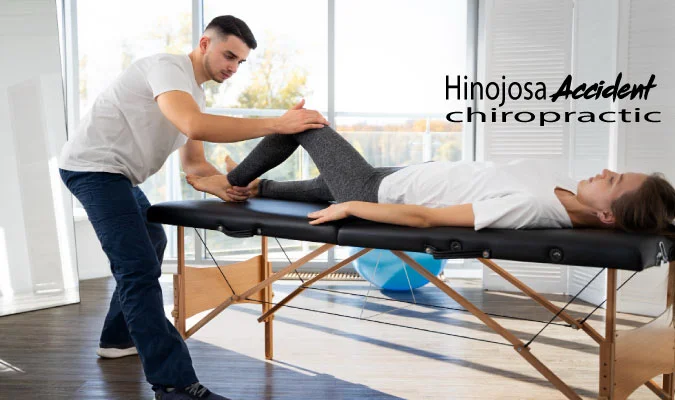

In most cases, people notice early changes in mobility and function with chiropractic treatment within 1 to 3 weeks, with more meaningful, stable improvement commonly building over 6 to 8 weeks when care is consistent and paired with the right home plan. If the restriction is tied to a recent car accident or work injury, the timeline can be faster for some and slower for others depending on inflammation, tissue irritation, and how quickly the joint and muscle system calms down.
Key points you should know right away
You can feel “looser” after the first few visits, but lasting mobility usually takes a short series, not a single adjustment.
Your timeline depends on the cause, not just the pain level. Stiffness after a crash is different than stiffness from weeks of desk posture.
A clear plan matters more than guesswork. We track range of motion, not just how you feel that day.
If this started after a car accident, Oregon PIP insurance may help cover care and documentation is important.
Why mobility and function with chiropractic treatment can change quickly
When someone comes into our clinic after a collision, they often tell me the same thing in different words: “I can’t turn my neck like I used to,” or “My back feels locked.” That “locked” feeling is usually a mix of joint restriction, protective muscle guarding, and irritation in surrounding soft tissue. The good news is that joint motion can respond early when it’s guided and supported.
An adjustment is designed to improve motion at a specific joint. That matters because restricted joints often force the muscles around them to do extra work, which can create that tight, stuck sensation. As motion starts to return, the body frequently stops bracing as aggressively, and you begin to move with less resistance. Mayo Clinic describes chiropractic adjustment as controlled work on specific joints to help improve movement and ease pain.
I’ve seen this play out many times, including one case that still stands out. A patient came in a few days after a rear end collision and could barely rotate their head to check blind spots. After we evaluated the pattern, started gentle care, and added a simple at home mobility routine, they reported noticeable range of motion changes in the first two weeks. The key was that we measured the movement, adjusted the plan, and kept the home steps realistic.
What decides your timeline for mobility and function with chiropractic treatment
If you want an honest estimate, I look at three buckets.
Severity and irritability
A mild restriction with low inflammation can change quickly. A highly irritated neck or back after whiplash or a work injury can be sensitive, and the body may guard longer. That doesn’t mean you’re stuck. It just means we pace the care correctly.
How long it has been there
New problems often respond faster. Long standing stiffness can still improve, but it usually needs more repetition to retrain how you move.
Consistency of care and follow through
This is the part people underestimate. If you get adjusted but then sit, brace, and avoid movement all week, mobility gains fade. When we pair treatment with simple mobility drills and posture changes, improvement tends to “stick.”
Research reviews on manual therapies for chronic low back pain have found moderate quality evidence that manipulation and mobilization can reduce pain and improve function, especially as part of a broader plan. That “broader plan” is exactly how I think about speed and durability of results.
A realistic week by week timeline for mobility and function with chiropractic treatment
Week 1
The goal is to calm things down and restore safer, easier motion. Many people notice some immediate relief or lightness, and it’s also normal to feel sore for about a day after an adjustment. Cleveland Clinic notes some people feel near immediate relief, and some soreness for about 24 hours can happen.
Weeks 2 to 3
This is where you often start seeing measurable range of motion gains. If your issue started after a car accident, this period can be crucial because the body is still deciding whether to keep guarding. We focus on restoring movement without provoking flare ups.
Weeks 4 to 6
This is when function starts catching up to mobility. You’re not just “looser,” you’re moving better during real life tasks like driving, lifting, reaching, and walking. Many people also start sleeping better because they aren’t bracing as much.
Weeks 6 to 8
For a lot of patients, this is the window where improvements feel more stable and less dependent on the last visit. At this stage, we usually refine the plan so you can keep progress going with fewer visits and more self management.
If you’re comparing yourself to someone else, don’t. Even two people with “back pain” can have completely different causes and timelines.
Mobility and function with chiropractic treatment after a car accident feels different
Accidents create a unique pattern. You can have whiplash, mid back stiffness, low back spasm, or shoulder and hip compensation, all at once. And because car crashes are stressful, your nervous system can stay on high alert, which makes muscles tighten faster.
If your symptoms started after a crash, you’ll probably connect with what we describe on our page about mobility and function after a car accident. That situation often needs a plan that includes careful assessment, documentation, and progress checks so your recovery is not left to guesswork.
Also, if you’re still in the first days or weeks after a collision, I strongly prefer you get evaluated sooner rather than later. Not because I want you scared, but because early documentation and appropriate care can prevent the “I waited and now everything is harder” scenario.
What happens in my office when your goal is mobility and function with chiropractic treatment
I’m going to be direct about what we do because vague promises don’t help anyone.
First, we measure what matters
We check ranges of motion, orthopedic tests, and the movement patterns that trigger your restriction. When it makes sense, we can consider imaging. The point is to match care to your presentation, not just your symptoms.
Second, we adjust with a purpose
An adjustment is not a random crack. It’s targeted joint work designed to restore motion where it’s limited. The approach can be gentler or more direct depending on how irritated the area is.
Third, we support the soft tissue system
Mobility is not only joints. Tight and guarded muscles can keep you stuck. We may include additional conservative care to reduce tension and help you move more comfortably.
Fourth, we give you a home plan you will actually do
If you leave with a 30 minute routine, most people won’t do it. I prefer two to four minutes, done consistently, with progressions as you improve.
If you’re still searching and you typed something like chiropractors near me, it usually means you want help now, not in six months. Same.
A practical 4 step plan to improve mobility and function with chiropractic treatment faster
Step 1 Get assessed early and track one or two key movements
Pick the movement you want back most, like turning your head to drive or bending to put on shoes. We track that.
Step 2 Start consistent care for a short window
Most people do best with a brief period of more consistent visits early on. This is how you build momentum in weeks, not months.
Step 3 Add micro mobility at home
Two minutes morning and evening beats twenty minutes once a week. This is where timelines shorten.
Step 4 Re evaluate and taper strategically
Once mobility is stable, we reduce frequency and shift to function. The goal is confidence in movement, not dependency.
How PIP insurance can matter for mobility and function with chiropractic treatment in Oregon
If your mobility problem started after a motor vehicle accident, Oregon Personal Injury Protection is often the reason patients can start care quickly without waiting. Our own clinic resource explains that Oregon PIP can cover up to a set amount per person for medical treatment and can include necessary chiropractic care for a defined period after the accident.
Two important practical notes from my side
Documentation matters. It supports medical necessity and helps reduce billing friction.
If you have an attorney, we can coordinate appropriately so your case paperwork matches your clinical story.
If you’re dealing with the broader situation after a crash, our page on accident care in Portland lays out what patients typically need right after the incident.
When you should not wait
If you have numbness, progressive weakness, severe unrelenting pain, new bowel or bladder changes, or symptoms that feel medically urgent, you should seek immediate medical evaluation. For most non emergency cases, the risk of waiting is that your body adapts to compensation. Pain may fade, but function stays limited. That is how people end up months later saying, “I’m not in agony, but I still can’t move normally.”
FAQ
How long does it take to improve mobility and function with chiropractic treatment?
Many people notice early changes within 1 to 3 weeks, while more stable improvement often builds over 6 to 8 weeks with consistent care and a simple home plan. Individual results vary.
How many visits do I need to move better?
It depends on the cause and how long it has been present. Some people feel noticeable change in a few visits, while post accident or long standing issues may need a short series to hold gains.
Is it normal to feel sore after an adjustment?
Yes, mild soreness for about a day can happen, especially early in care. If soreness is intense or lasts longer than expected, your plan should be adjusted.
What if my pain improves but my mobility is still limited?
That usually means your body has calmed down but movement patterns and joint restriction still need work. We shift the plan toward range of motion, stability, and functional movement.
Does Oregon PIP insurance cover chiropractic care after a car accident?
In many cases, yes. Oregon PIP is commonly used to cover medically necessary care after a crash, and proper documentation helps the process go smoothly.
Do you treat whiplash and work injuries too?
Yes. In our clinic, we commonly evaluate whiplash, back pain, neck pain, and soft tissue injuries after auto accidents and workplace injuries, with a conservative approach focused on restoring movement and reducing pain.
A smarter finish than a generic conclusion
If you take one thing from this, let it be this: mobility is measurable, trainable, and usually improvable when the plan matches the cause. I’m Dr Carlos Hinojosa, and alongside Dr Vladislav Kostin, we see people every week who feel stuck after a crash or a work injury and just want to move normally again. When we combine targeted care, clear progress checks, and realistic at home steps, the timeline becomes much more predictable.
Call (503) 926-7246 to schedule a same-day appointment if available and to ask how PIP insurance may apply to your accident case.
If you prefer to come in person, Hinojosa Chiropractic is located at 205 NE 181st Ave, Portland, OR 97230. Phone: (503) 926-7246.