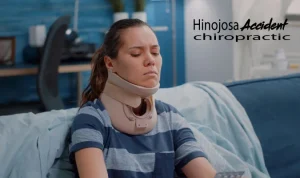


When people search for the truth about injury from a chiropractor, what they really want is reassurance. They want to know if spinal adjustments are safe, especially after a car accident, work injury or sudden onset of back or neck pain. After more than 25 years practicing chiropractic care in Portland and the Gresham area, I’ve learned how important this question becomes for someone dealing with pain, fear and uncertainty after trauma. Patients walk into my clinic looking for calm answers, same-day appointments, real support and a doctor who speaks their language — whether that’s English, Spanish or Russian.
Every week, individuals recovering from auto accidents or work-related injuries ask me if injury from a chiropractor is something they should worry about. I can feel the hesitation when they sit down for the first consultation, especially when they’re already in pain. I always make it clear: chiropractic care, when done by experienced, accident-focused professionals, is one of the safest non-invasive treatments available. That’s not an opinion — it’s what I’ve seen consistently across thousands of treatments in my clinic at 205 NE 181 Ave in Portland, OR 97230.
What injury from a chiropractor really means
To understand how common injury from a chiropractor is, we first need to understand what counts as an injury. In chiropractic care, “injury” usually refers to an unintended reaction that goes beyond typical soreness or stiffness. Most people will feel some tenderness after an adjustment, especially if they’re dealing with whiplash, muscle strain, inflammation or spinal misalignment from an accident. That’s normal.
Real injury — something that causes lasting harm — is extremely rare. In my decades treating accident patients, I’ve seen far more harm caused by delayed care than by the chiropractic adjustment itself. When injuries from accidents are ignored for too long, they become rigid, inflamed and much harder to correct later.
I often tell patients a simple truth: the body tries to heal, but if misalignment, nerve pressure or muscle guarding remain untreated, the body learns the wrong pattern. Chiropractic care helps break that pattern safely.
My firsthand experience with patient concerns
One memory always comes back to me. A patient came in two weeks after a rear-end collision, terrified of being touched because a friend had warned them about “injury from a chiropractor”. When I examined them, I saw clear signs of whiplash — swelling, stiffness, limited neck rotation and nerve irritation. They waited because of fear, and that delay had made everything worse. When I explained the process step by step in Spanish — their preferred language — they relaxed. The moment they realized we understood their pain, their history and even their culture, everything changed.
After a few sessions of gentle spinal adjustments, massage therapy and posture correction, their pain levels dropped dramatically. That same person later told me, “I wish I had come earlier.” And this is something I’ve heard countless times in Portland. The fear of injury from a chiropractor often delays healing.
Why injury from a chiropractor is rare in accident-focused care
The rarity of real chiropractic injury is tied to training and approach. Most potential complications happen when someone tries to adjust themselves, goes to an untrained provider, or ignores pre-existing injuries. In my clinic, accident recovery is our specialty. That means:
We evaluate every patient thoroughly before treatment.
We use spinal adjustments tailored to injury severity.
We include therapeutic techniques like massage therapy and physical therapy when needed.
We keep track of progress through measurable changes in mobility and pain reduction.
We communicate in English, Spanish and Russian to avoid misunderstandings.
When someone comes in for neck pain relief, back pain treatment, sciatica support or rehabilitation after an auto collision, we use gentle and specific adjustments designed for accident trauma. The more careful and personalized the treatment, the lower the chance of injury. That’s why injury from a chiropractor remains extremely rare in clinics like ours.
The kinds of reactions people mistake for injury
Part of the fear surrounding injury from a chiropractor comes from misunderstanding what normal post-adjustment reactions feel like. These reactions don’t indicate harm; they indicate change.
Common reactions include:
Mild soreness for 24–48 hours
Feeling looser or heavier in the body
Temporary fatigue
Improved posture causing muscle resistance
Warmth or tingling as circulation increases
When I explain these sensations to patients ahead of time, they actually look forward to feeling the changes. And in my experience treating car & work injury cases, the reactions tend to be slightly stronger only when inflammation is already present — not because chiropractic is unsafe, but because the body is recovering from trauma.
Why accident timing matters more than any potential chiropractor injury
Sometimes I meet patients who waited weeks or months before getting help because they worried about injury from a chiropractor. But here’s the truth I’ve seen throughout my years serving the Portland community:
The longer you wait after an accident, the harder it becomes to restore proper mobility.
Whiplash becomes chronic neck pain.
Lower-back strain becomes sciatica.
Shoulder injuries become nerve compression.
Spinal misalignment becomes daily headaches.
This is why my clinic offers same-day appointments — your safety depends on early evaluation. A slow, gentle adjustment at the right time prevents long-term damage. And when needed, we stabilize the area with massage therapy, physical therapy, stretching routines and home-care guidance.
How we reduce the already low injury risk
Our Portland clinic uses a multi-step system that keeps the chance of injury from a chiropractor as close to zero as possible:
- Full assessment before every adjustment
I check mobility, neurological function and muscle tension to avoid stressing injured tissue. - Imaging when needed
Accident patients often have hidden injuries. Imaging helps me adjust safely. - Technique selection
Some patients need traditional adjustments. Others need low-force techniques. Some need targeted mobilization. That distinction prevents complications. - Communication every step of the way
Patients tell me their body’s language. I listen. That partnership matters more than anything. - Multilingual support
When someone speaks Spanish or Russian and expresses pain in their own language, I get clearer, more accurate information — which protects patients from injury. - Holistic healing
Massage therapy, physical therapy, posture correction, nutritional guidance and stress-reduction techniques create a stable foundation and reduce risk.
I’ve seen how this system transforms lives. From athletes with sports injuries to expectant mothers and infants needing gentle care, the process remains the same: listen carefully, adjust precisely and support the body naturally.
What most studies also show about chiropractic safety
Research consistently supports what I have experienced firsthand: injury from a chiropractor is extremely uncommon. Most complications reported in medical literature involve either pre-existing conditions or improper technique. When techniques are matched to the patient’s physical condition — especially after an accident — chiropractic care becomes one of the safest manual therapies available.
And here’s something worth remembering from daily clinical reality:
Patients who receive chiropractic care early after an accident recover faster and with fewer complications than those who wait.
That alone shows how essential proper chiropractic intervention is to prevent long-term harm.
Common myths that fuel fear of chiropractor injury
Over the years, I’ve heard almost every misconception:
“My friend told me adjustments can paralyze you.”
“Someone online said neck adjustments cause strokes.”
“I heard chiropractic causes slipped discs.”
Most of these fears come from misunderstandings. Chiropractic adjustments do not create structural damage; they restore movement. What causes long-term injury is usually the accident itself — not the treatment. And I’ve seen this truth repeat itself every single year in Portland.
Real stories that show how rare injury from a chiropractor truly is
One patient had severe back pain after a workplace injury. They feared chiropractic so much they waited almost a month. When they finally came in, the muscles around their spine were so tight that even sitting was painful. We started slow — targeted mobilization, deep-tissue massage therapy and light adjustments.
Within a week they felt relief. Within a month they returned to work.
Their biggest regret? Waiting.
Another patient came in speaking only Russian and had been turned away from another clinic because of communication barriers. They also feared injury from a chiropractor due to something they’d heard. After evaluating them carefully, we began treatment. Because we could speak with them in their language, we avoided misunderstandings and reduced risk.
These stories repeat themselves every day.
Frequently Asked Questions
How common is injury from a chiropractor?
It’s extremely rare. Most reactions are mild and temporary. Serious complications are almost unheard of in experienced hands.
Can chiropractic adjustments worsen accident injuries?
Not when done correctly. Adjustments protect healing tissues, reduce inflammation and improve mobility. Delayed care poses more risk than the adjustment.
What should I expect after my adjustment?
Soreness for a day or two is normal, especially after car or work injuries. It’s part of the healing process.
Is chiropractic safe for whiplash?
Yes. Gentle techniques specifically designed for whiplash help restore movement and reduce long-term pain.
Is it safe if I’m pregnant?
Yes. Prenatal chiropractic care uses specialized techniques that avoid pressure and support safe alignment.
Do you speak Spanish or Russian?
Yes, our entire team offers bilingual support, which helps patients communicate symptoms clearly and safely.