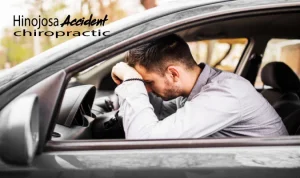


When you’ve been in an accident, the immediate concern often shifts to your physical well-being and the pressing issue of medical expenses. Why PIP is essential is a question that many people overlook, but it is one of the most important aspects of safeguarding yourself after an auto collision. I’ve seen countless patients struggle to afford their recovery, even after a minor accident. Personal Injury Protection (PIP) can be a game-changer in ensuring you get the care you need without worrying about mounting medical bills.
What is PIP and Why PIP is Essential for Medical Expenses?
PIP (Personal Injury Protection) is a type of auto insurance that covers medical expenses, lost wages, and even certain expenses like childcare if you’re unable to work or take care of daily tasks after a car accident. The key benefit of Why PIP is essential is that it pays for your medical treatment regardless of who was at fault in the accident. In states where PIP is required, it ensures that your medical needs are taken care of quickly, allowing you to focus on recovery instead of financial stress.
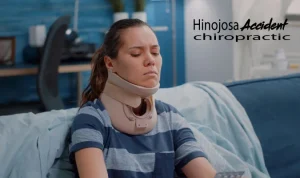
From my personal experience, PIP coverage has made a massive difference for my patients. A recent patient of mine, for instance, had a moderate accident that left her with significant neck pain. Thanks to her PIP, she was able to receive immediate chiropractic care and physical therapy without delay. This expedited treatment helped her recover much faster than she would have without it. If she hadn’t had PIP, she could have been stuck with delayed treatments and even more financial strain.
Why PIP is Essential for Your Medical Bills After an Accident
PIP is essential for ensuring your medical bills are covered right away after an accident. It’s designed to protect you from the financial burden of medical treatments following a collision, which can be a major issue if you don’t have the proper coverage. Many people mistakenly assume their health insurance will take care of everything, but that’s not always the case. Even if your health insurance covers some treatments, it may not cover chiropractic care, physical therapy, or other specialized services that are often necessary after an accident.
In my practice, I’ve treated several patients whose health insurance wouldn’t cover chiropractic treatments for injuries sustained in a car crash. Thankfully, they had PIP coverage, which allowed them to continue their care without financial concerns. PIP ensures that medical providers are paid quickly and in full, which eliminates the risk of unpaid bills and gives patients the peace of mind they need during recovery.
How PIP Helps You Avoid Financial Strain After an Accident
The financial strain that comes with a car accident can be overwhelming. In addition to the medical expenses, you may have lost wages due to time off work and other associated costs. That’s why PIP is essential—it helps cover both your medical care and lost wages, providing you with a financial safety net while you recover.
I had a patient who was unable to return to work for several weeks after a car accident. She was a teacher and couldn’t perform her job due to the severe back pain caused by the accident. Luckily, her PIP coverage covered both her medical treatments and a portion of her lost wages. Without this protection, she would have faced financial difficulties in addition to her physical pain.
In many states, PIP insurance also covers non-medical expenses such as childcare if you’re unable to care for your children while recovering. This is especially important for working parents, and it helps ensure that no additional stress is added to their already difficult recovery process. I’ve seen firsthand how comprehensive PIP coverage can truly make a difference in a patient’s recovery.
PIP vs. Health Insurance: Why PIP is Essential for Auto Accidents
Many people mistakenly believe that their health insurance is enough to cover medical expenses after a car accident, but the reality is often more complicated. Health insurance may come with high deductibles, co-pays, and limitations on specific types of care, especially for auto accident-related injuries. PIP is specifically designed to cover the immediate needs arising from an accident, often without these limitations.
From a personal experience standpoint, I’ve had several patients come to me after an accident thinking their health insurance would cover all their needs, only to find out it wouldn’t cover their chiropractic treatments or some therapies needed for a full recovery. In contrast, PIP provides coverage for chiropractic care, physical therapy, and even costs related to lost wages—something health insurance may not do.
How PIP Can Speed Up Your Recovery Process
Another reason why PIP is essential is that it facilitates quicker access to care. Many patients I’ve worked with have expressed how thankful they were that PIP allowed them to start their treatment immediately after their accident. I’ve treated numerous patients who suffered from whiplash and neck pain, and PIP was key in allowing them to begin chiropractic care within days of their accident.
Without the help of PIP insurance, many people may experience delays in treatment due to insurance issues, claims paperwork, or disputes over who is responsible for the accident. With PIP, you don’t have to worry about who’s at fault—your medical care is covered so you can focus on healing. I’ve seen patients recover faster simply because they didn’t have to wait for insurance approvals or go through the stress of dealing with the at-fault driver’s insurance.
PIP and Chiropractic Care: A Vital Part of Your Recovery After an Accident
Chiropractic care plays a crucial role in the recovery process after an auto accident, especially for injuries like whiplash, neck pain, and back pain. PIP helps cover chiropractic care, which is essential for realigning the spine and relieving the pain caused by these injuries. I’ve treated many patients whose primary recovery method was chiropractic care, and without PIP, they wouldn’t have been able to afford the necessary treatments.
I had a patient who was rear-ended at low speed and suffered from severe neck stiffness. Chiropractic adjustments were the most effective treatment for her, and PIP helped cover the cost of her care. As a result, she was able to return to normal life much faster than if she had to rely solely on pain medication or physical therapy. PIP enabled her to access the care she needed without worrying about the financial burden, allowing her to focus fully on her recovery.
How to Make Sure You Have PIP Coverage
If you’re unsure about your PIP coverage, it’s important to contact your insurance provider and ask about your policy options. In Oregon, PIP coverage is not mandatory, but it is highly recommended. If you drive regularly, having PIP insurance ensures you won’t be left stranded without coverage if you are injured in an accident.
When reviewing your policy, make sure to ask specific questions about the extent of your PIP coverage. Does it cover chiropractic care, physical therapy, and lost wages? Can it cover additional expenses like transportation or childcare if needed? It’s important to have a thorough understanding of what PIP covers to avoid any surprises down the road.