
What symptoms mean I should see a chiropractor is simple: if you have neck pain, headaches, back pain, stiffness, tingling, dizziness, or reduced movement after a crash, you should not brush it off. In Portland, Oregon, I tell patients the same thing every week: symptoms after a car accident often show up later, not just at the scene.
Key points you should know first
A “minor” crash can still strain muscles, joints, and soft tissue.
Pain delayed by adrenaline is common.
Whiplash, neck pain after accident, and back pain after accident often worsen over the next day or two.
Early documentation matters for recovery and for PIP insurance when it applies.
A car accident chiropractor may help reduce pain, improve mobility, and support injury recovery with conservative care.
What symptoms mean I should see a chiropractor right away
The clearest warning signs are not complicated. If your neck feels tight, your shoulders start burning, your lower back stiffens up, or turning your head becomes harder than usual, that is enough reason to get evaluated. I do not wait for dramatic symptoms before taking an accident injury seriously.
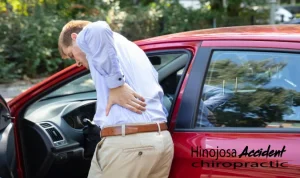
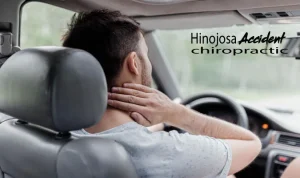
The most common pattern I see starts with “I felt okay at first.” Then, several hours later, the patient notices neck pain after accident, soreness between the shoulders, headaches at the base of the skull, or pain when getting out of the car. That pattern matters because soft tissue injury does not always announce itself immediately.
Numbness or tingling in the arms or hands also deserves prompt attention. So does dizziness, pain that radiates into the shoulder blade, or a feeling that your back “locks up” when you bend or twist. Those symptoms do not automatically mean a severe injury, but they do mean your body is asking for a proper evaluation.
Why symptoms often show up after the crash
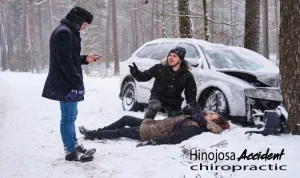
After an accident, adrenaline can mask discomfort. That is one of the biggest reasons people delay care. They assume no pain means no injury. I think that is one of the costliest mistakes after a collision.
When the body gets hit by sudden force, the neck and spine can absorb stress in a matter of seconds. Muscles tighten, ligaments stretch, joints become irritated, and inflammation starts building. You may still finish the day, go to work, or sleep that night thinking everything is fine. The next morning is when the real story often begins.
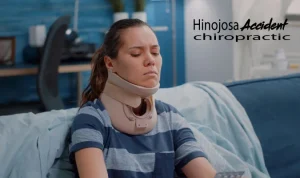
This is especially true with whiplash treatment cases. Whiplash is not just “a little soreness.” It can involve neck stiffness, headaches, limited rotation, shoulder tension, and trouble focusing comfortably during normal tasks like driving or using a computer.
What symptoms mean I should see a chiropractor even if pain is delayed
Delayed pain still counts. In fact, delayed pain is one of the most common reasons patients finally call our office. If discomfort starts the next day, or even later, I still treat that timeline seriously.
You should consider an evaluation if pain gets worse instead of better, if sleep becomes uncomfortable, if sitting too long irritates your lower back, or if checking your blind spot becomes difficult. Reduced range of motion is not something I like to ignore after a crash. Your body may be protecting an injured area by tightening around it.
I have seen patients come in after what they thought was a low-speed impact, only to realize that simple movements now feel different. They are not always in extreme pain. Sometimes they just feel “off.” That matters too. When movement changes after trauma, I want to know why.
If you are already wondering whether you can get checked, that question alone usually means it is worth getting answers. This is also why content like can I see a chiropractor after a car accident connects so naturally with this topic. People often need permission to take delayed symptoms seriously.
What symptoms mean I should see a chiropractor for whiplash signs
Whiplash does not always look dramatic, but the symptoms are usually familiar once you know what to watch for. Neck stiffness is one. Headaches that begin at the base of the skull are another. Shoulder tightness, pain when turning the head, and soreness that spreads into the upper back are also common.
If reading, driving, or working at a desk suddenly feels harder because your neck tires quickly, that is relevant. If your pain started after the crash and keeps interfering with daily movement, I would not call that something to “wait out” casually.
At Hinojosa Chiropractic, Dr. Carlos Hinojosa and Dr. Vladislav Kostin focus on conservative, non-invasive chiropractic care for accident-related injuries, with individualized care plans, clear communication, and documentation support when applicable. Same-day appointments may be available, which matters when symptoms begin to build fast.
Why ignoring these symptoms can make recovery harder
I am careful with promises, but I can say this confidently: ignoring symptoms tends to complicate things. When people wait too long, stiffness can settle in, inflammation may continue, and the recovery timeline often feels more frustrating.
There is also the practical side. The earlier symptoms are documented, the easier it is to create a clear starting point. That matters for clinical tracking, and it may matter for insurance-related processes when PIP insurance applies. Oregon PIP is a major reason many injured people in Portland and Gresham can seek care without assuming they must pay everything out of pocket on day one. Hinojosa’s own PIP content explains that qualifying chiropractic care may be covered under Oregon PIP, subject to policy terms and benefits.
That is why I like to connect this topic naturally with PIP insurance in Portland and with guidance on how PIP insurance may cover chiropractic care. They answer the question many patients have before they even pick up the phone.
What a practical next step can look like
I like to keep the next step simple.
First, pay attention to timing. Write down when symptoms began and what movements trigger them.
Second, get evaluated before the discomfort becomes your “new normal.” Even a short delay can create confusion about whether symptoms are improving or spreading.
Third, organize your accident details and your insurance information. If auto coverage is involved, that makes the process easier.
Fourth, follow through consistently. Conservative care works best when the plan matches the injury and the patient actually sticks with it.
If you are comparing options online, pages like chiropractors near me are relevant because they speak directly to people who are looking for an accident chiropractor Portland patients can actually reach without making the process harder.
A place to get answers without guessing
If your symptoms started after a collision in Portland, Oregon or near Gresham, getting checked early is often the clearest move. Hinojosa Chiropractic helps patients dealing with whiplash treatment needs, back pain after accident concerns, neck pain after accident, and the paperwork questions that tend to come with injury cases. Call Phone: (503) 926-7246 to schedule a same-day appointment when available.
What symptoms mean I should see a chiropractor before pain gets worse
The threshold is lower than most people think. You do not need unbearable pain to justify a visit. You need symptoms that appeared after trauma and are affecting how you move, rest, drive, or work.
That includes soreness that keeps building, headaches that were not there before, tingling, reduced motion, and pain that does not fade after a day or two. I would much rather evaluate a smaller issue early than see someone after weeks of avoidable aggravation.
In a clinic like ours, the goal is not hype. It is clarity. We look at what changed, what hurts, what movements are limited, and what conservative care may help support recovery. Individual results vary, but early attention is usually more useful than guesswork.
Questions patients ask me all the time
What symptoms mean I should see a chiropractor after a car accident
Neck stiffness, headaches, shoulder tension, back pain, tingling, dizziness, and reduced range of motion are all common reasons to get checked after a crash.
Can whiplash symptoms start the next day
Yes. Delayed symptoms are common because adrenaline and inflammation can change how pain shows up in the first hours after an accident.
Should I still go if the crash seemed minor
Yes, if symptoms appeared afterward. A low-speed collision can still irritate joints, muscles, and soft tissue.
Does Oregon PIP insurance cover chiropractic care
It may cover qualifying chiropractic care after a car accident, subject to policy terms, medical necessity, and benefit limits.
Do I need a referral before seeing a chiropractor after a crash
Hinojosa’s PIP guidance states that a referral is not typically required for chiropractic care under Oregon PIP.
What if I waited a few days before getting checked
It can still make sense to schedule an evaluation. The better question is whether symptoms are still affecting your comfort, movement, sleep, or routine.
Get checked while the timeline is still clear
If you were in a car accident and something feels off, do not force yourself to “tough it out.” Hinojosa Chiropractic serves Portland, Gresham, and the 97230 area with conservative care focused on accident-related injuries, individualized treatment plans, and documentation support when applicable. Call Phone: (503) 926-7246 if you want to discuss next steps and same-day appointments when available.