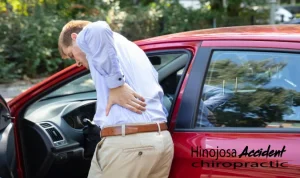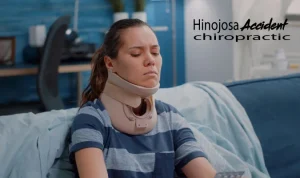
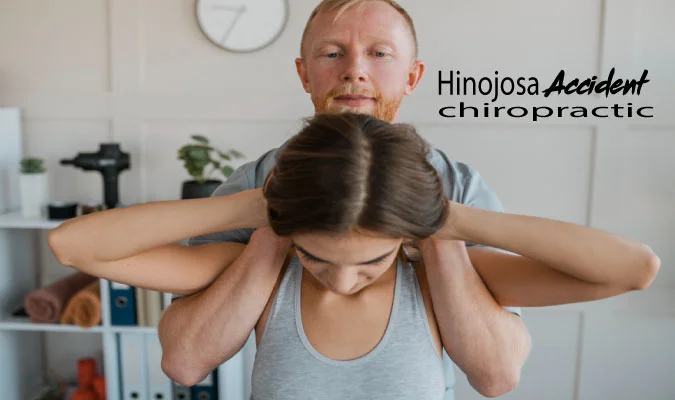

Can chiropractic care help with neck stiffness after a collision? Yes, it often can, because a focused chiropractic evaluation and conservative care may help reduce pain, improve neck mobility, and calm the joint and soft tissue irritation that commonly follows a crash. When headaches show up with stiffness, I treat it like a pattern, not a mystery, and I start by identifying what structures are driving it and what movements trigger it.
Here’s what I’ll cover so you can make a confident decision today
- Why neck stiffness and headaches after a collision are so common
- What I check in an exam to spot whiplash and related strains
- What chiropractic care may include for neck stiffness and headaches
- A simple 3–4 step plan you can follow right now
- How PIP insurance may apply in Oregon and why timing matters
Can chiropractic care help with neck stiffness when symptoms feel delayed
One of the most confusing parts after a collision is timing. You might feel “mostly okay” on day one, then wake up day two or three with a stiff neck and a headache that wasn’t there before. I see that pattern constantly. It does not mean you imagined it. It often means your body stayed in a protective state during the initial shock, and then inflammation, muscle guarding, and joint irritation gradually caught up.
Neck stiffness after a collision can come from more than one place at the same time. Joints can lose normal glide. Muscles can tighten like a splint. Ligaments and other soft tissues can become sensitized. When those pieces stack together, headaches can follow because the upper neck, jaw tension, and shoulder girdle all influence how your head feels.
If you’re dealing with headaches after a car accident, the goal is not to “push through.” The goal is to identify the driver and calm the system in a controlled way.
Why headaches and neck stiffness after a collision often point to whiplash
Whiplash is one of the most common injury patterns after an auto accident, and it is not limited to rear-end crashes. Any sudden acceleration and deceleration can load the neck. Even when a vehicle looks “not that bad,” the body can still absorb significant force.
Here’s what I look for when headaches and neck stiffness show up together:
- A neck that rotates less on one side, especially when checking a blind spot
- A headache that worsens with prolonged sitting, screens, or driving
- Upper back tightness that feels like a constant pull between the shoulder blades
- Tender spots along the base of the skull or upper trapezius
- Sleep disruption because the neck won’t settle into a comfortable position
People often describe it as a “helmet” headache, pressure behind the eyes, or a deep ache that starts in the neck and climbs upward. That description matters, because it helps me match symptoms to exam findings.
Can chiropractic care help with neck stiffness by improving motion and reducing guarding
When someone asks me this question, I answer like a clinician: chiropractic care may help because it targets function. After a collision, normal movement changes quickly. Many people limit rotation without realizing it, hold tension through the shoulders, and start turning the torso instead of the neck. Those compensations feel protective at first, yet over time they can reinforce stiffness and trigger persistent headaches.
My approach is conservative and structured. I start with a clear exam, then I use care that matches the findings. Depending on the case, chiropractic care may include:
- Specific chiropractic adjustments to support joint motion when appropriate
- Soft tissue work to reduce muscle guarding and sensitivity
- Guided mobility and stabilization exercises to build tolerance
- Posture and ergonomic changes that reduce flare-ups while healing
I’m careful with force and timing. Collision cases deserve respect. I want you to feel safer and more mobile, not “worked over.”
What I examine when neck stiffness and headaches show up after a collision
A strong post-collision visit starts with the story of the accident and the story of your symptoms. I ask where you were hit, how your head moved, whether you braced, and when the headache started. Then I examine posture, range of motion, and the tissues that commonly drive pain patterns.
I also screen for neurological signs when symptoms call for it, such as tingling, numbness, weakness, or headaches with unusual features. Orthopedic tests can help me differentiate joint irritation from soft tissue strain and nerve sensitivity. If I see red flags, I take the appropriate next step, including referral when needed.
This is also where documentation matters. When you’re using auto insurance benefits, clean documentation supports clarity and continuity of care.
Can chiropractic care help with neck stiffness and headaches without medication
A lot of people arrive at my office with the same concern: “I don’t want to rely on medication, but I also can’t live with this headache.” That’s exactly where conservative chiropractic care can fit. The intent is to support your body’s recovery process by reducing irritation and restoring healthier motion.
No ethical provider should promise a cure or a guaranteed outcome. What I can tell you is what I see in practice: when we address mobility restrictions, calm protective muscle tone, and build stability step by step, many patients report less stiffness, fewer headache days, and better tolerance for work and driving. Results vary, and that’s why the exam and follow-up re-checks matter.
I still remember a patient who came in convinced their headache was “just stress” after a crash. During the exam, turning the neck slightly reproduced the exact headache pattern. Once we focused care on the upper neck mechanics, soft tissue tension, and a simple home routine, their symptom pattern began to settle and their sleep improved. That’s not magic. That’s matching care to a specific finding.
A 3 to 4 step plan if you have neck stiffness and headaches after a collision
If you want a practical next move, here’s the plan I recommend most often:
Step 1 Get evaluated early
Early assessment helps catch whiplash patterns and documents your baseline before compensation takes over.
Step 2 Track triggers for 3 days
Note what worsens headaches and stiffness: driving, screens, sleeping position, lifting, or stress. Patterns guide precision.
Step 3 Use gentle movement not aggressive stretching
Light range of motion and supported posture changes often help more than forcing a stretch on irritated tissue.
Step 4 Follow a short re-check cycle
A good plan includes re-checks. If motion improves and headaches decrease, we stay the course. If not, we adjust the plan.
For a clear overview of collision-related care in Portland, review the page on auto accident chiropractic care in Portland since it reflects what many patients ask on day one.
Same day neck stiffness and headache evaluation in Portland
Call (503) 926-7246 to schedule a same-day appointment if available. At Hinojosa Chiropractic, Dr. Carlos Hinojosa and Dr. Vladislav Kostin focus on auto and work injury cases, with a conservative approach that supports mobility and pain relief, and we can help patients in English, Spanish, Russian, or Ukrainian.
How PIP insurance can support chiropractic care after a collision
In Oregon, many people have PIP insurance that may help cover care after a collision. That matters because it can remove delays. Timing also matters for documentation and continuity, especially when symptoms evolve over the first days.
If you want the most direct explanation of how coverage can apply, review when PIP insurance covers chiropractic care. Our team is used to helping patients understand the basic flow of benefits and the practical documentation that often comes with accident claims. If attorneys are involved, we can coordinate communication related to clinical records when appropriate.
Can chiropractic care help with neck stiffness when you are searching chiropractors near me
When someone searches chiropractors near me after a collision, they usually want two things: relief and clarity. Relief means reducing stiffness and headache intensity. Clarity means knowing what’s going on and what the plan is.
Here’s what I recommend you look for in any clinic you consider:
- A real exam that includes range of motion, soft tissue assessment, and appropriate screening
- A plan that explains what is being treated and how progress is measured
- Comfort with accident documentation and insurance workflows
- A conservative approach that respects your symptoms and your timeline
If you want to see how we position that locally, the page on finding chiropractors near you aligns with what most collision patients need in the first two weeks.
FAQ
Can chiropractic care help with neck stiffness and headaches after a collision
Yes, it often can. Chiropractic care may help by improving joint motion, reducing soft tissue guarding, and guiding safe mobility and stabilization so headaches tied to neck irritation settle over time.
How soon should I get checked if I have neck stiffness after a crash
As soon as you reasonably can, even if symptoms feel mild. Early evaluation establishes a baseline and may reduce the chance that compensation patterns worsen stiffness.
Are headaches after a car accident always whiplash
Not always, but whiplash is a common cause. Headaches can also involve upper back tension, jaw tension, and irritation in the upper neck joints, which is why an exam matters.
What does a chiropractor check for neck stiffness and headaches
I typically review the accident details and symptom timeline, examine posture and range of motion, palpate key muscles and joints, and use orthopedic and neurological screening when clinically appropriate.
Will chiropractic adjustments make my headache worse at first
Some people feel temporary soreness after care, especially early on. A careful plan focuses on appropriate force, symptom response, and re-checks so we can adapt quickly.
Can PIP insurance cover chiropractic care after a collision in Oregon
Often it can, depending on your policy and claim. Clinics familiar with PIP can help you understand the documentation and care flow that typically supports coverage.
A straightforward next step for neck stiffness and headaches
If you want an exam that connects the dots between neck stiffness, headaches, and collision mechanics, call (503) 926-7246 to request a same-day appointment if available. You can visit us at 205 NE 181st Ave, Portland, OR 97230 serving Portland and Gresham, with care available in English, Spanish, Russian, and Ukrainian.