
What exams do chiropractors do after an auto accident? In a thorough post-crash visit, I evaluate your symptoms and accident details, check your posture and range of motion, palpate key muscles and joints, run orthopedic and neurological screens, and decide whether imaging or referral is needed. The goal is simple: identify hidden injury patterns early, document what matters, and build a care plan that may help reduce pain and restore movement safely.
Here’s what I’m going to cover so you know exactly what to expect.
- The core exams I perform after a crash and why each one matters
- How I screen for whiplash, back injury, nerve irritation, and soft tissue damage
- Why “I feel fine” can be misleading in the first days after an accident
- Practical next steps you can take immediately
- How PIP insurance typically fits into care and documentation in Oregon
What exams do chiropractors start with after an auto accident
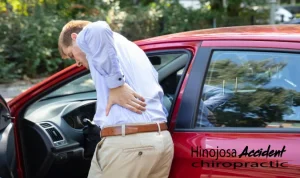
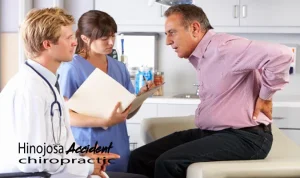
Before I put hands on you, I start by getting the story straight. I ask how the crash happened, where you were hit, whether airbags deployed, how your body moved, and when symptoms showed up. I also ask what feels different right now: headache, neck stiffness, mid-back tightness, low back pain, shoulder pain, numbness, sleep changes, jaw tension, or that “off” feeling when you turn your head.
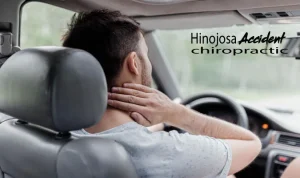
This part matters more than most people realize because the mechanism of injury tells me where to look. A rear-end collision often points me toward whiplash patterns. A side impact may load the ribcage, shoulder, and pelvis differently. If you were braced on a brake pedal, the hip and low back can get involved. I’ve seen plenty of patients who were convinced it was “just a sore neck,” and the exam revealed a whole chain from neck to mid-back to pelvis that explained why they couldn’t sit, drive, or sleep comfortably.
What exams do chiropractors use to check posture and movement
Next comes observation and movement testing. I look at posture because crashes can change how you hold yourself without you noticing. Guarding, tilt, uneven shoulder height, or a head position that’s slightly forward can be clues.
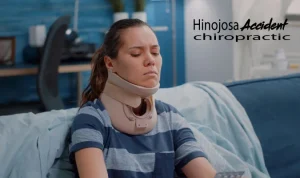
Then I run range of motion tests. I’ll ask you to gently turn, bend, and extend your neck and back so I can see what’s limited and what reproduces symptoms. Range of motion is one of the fastest ways to spot a pattern: a sharp pinch with rotation can suggest joint irritation; a pulling sensation can suggest soft tissue involvement; radiating symptoms can point toward nerve sensitivity.
I keep this practical. I’m not trying to “push through” pain. I’m mapping it. Range of motion becomes a baseline we can track over time, which is helpful for both your recovery and your documentation.
What exams do chiropractors do with palpation and soft tissue checks
Palpation is a fancy word for “skilled hands-on assessment.” I check muscles, ligaments, and joint motion with my hands. After an accident, soft tissue injuries are common, and they can be sneaky. You may have tenderness that shows up only when I press specific points, or muscle tone that feels like it’s been switched on for protection.
I also check for areas of inflammation and guarding. In whiplash cases, the neck and upper back can tighten to stabilize the spine. In low back cases, I often find protective spasm around the pelvis and hip. I’m looking for consistency: does what I feel match what you report and what your movement tests show?
This is also where I catch the “missed injury” pattern I see all the time. Someone feels okay for a day or two, then the headaches and stiffness hit. When they finally come in, their movement is restricted and the soft tissue is already irritated. Getting examined early can make the path forward clearer.
What exams do chiropractors do to screen nerves and reflexes
A responsible post-accident evaluation includes neurological screening. Depending on your symptoms, I may check sensation (light touch in certain areas), reflexes, and muscle strength. I’m watching for nerve irritation patterns that can show up as tingling, numbness, weakness, or pain that travels into an arm or leg.
I also pay attention to coordination and balance when it fits the case. Not every patient needs the same depth of neuro testing, but after a crash, it’s smart to screen. If anything suggests a problem outside my scope, I take that seriously and coordinate next steps.
What exams do chiropractors do with orthopedic tests after a crash
Orthopedic tests help me differentiate what’s likely driving your pain. After an auto accident, I may use specific maneuvers to stress certain joints or tissues in a controlled way. The point isn’t to provoke you. The point is to identify whether the pain behaves like joint restriction, muscle strain, ligament sprain, or nerve involvement.
This matters because “neck pain” is not one diagnosis. Two people can describe the same pain scale number and have totally different exam findings. When the exam is done well, your care plan becomes more targeted and usually more efficient.
When imaging is part of what exams do chiropractors do after an auto accident
A question I hear constantly is, “Will you take X-rays?” The honest answer is: sometimes. Imaging is not automatic, and it’s not a trophy. It’s a tool.
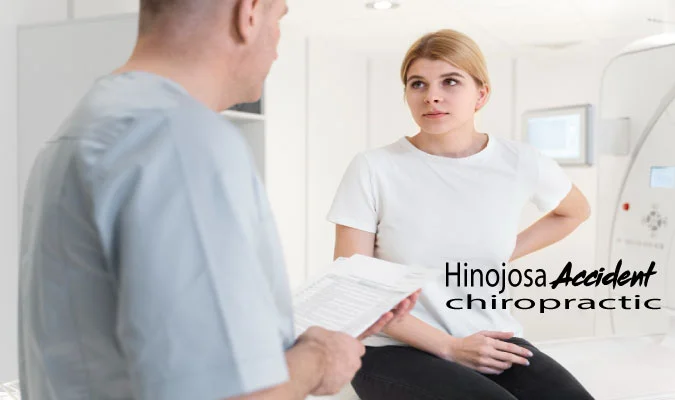
If your history or exam suggests a need to rule out fracture, serious instability, or certain red flags, imaging may be appropriate. In other cases, a careful exam and progress tracking can be enough to start conservative care safely. If I believe you need imaging beyond what we can provide, I’ll help you understand why and what type might be appropriate, and I’ll coordinate the referral path.
Why ignoring symptoms can backfire after an accident
Here’s the part I say plainly, because it saves people months of frustration: the absence of pain on day one does not prove the absence of injury. Adrenaline and shock can mask symptoms. Swelling and inflammation can build over time. Soft tissue injuries often announce themselves later, especially after you try to return to normal routines.
I’ve watched this play out in real life with patients who went back to work, pushed through stiffness, and then a week later couldn’t rotate their neck to check a blind spot. The exam findings usually match that timeline: increased guarding, decreased range of motion, and pain that has started to “spread” because your body is compensating.
If you’ve been searching for answers and you landed here because you typed “What exams do chiropractors” into Google, you’re already doing the right thing: you’re looking for a clear next step. A straightforward exam is often that step.
A practical plan you can follow today
If you’re trying to decide what to do next, this is the 3–4 step approach I recommend most often:
- Get evaluated sooner than later
Even if symptoms are mild, a baseline exam helps catch patterns early and gives you documentation that matches your timeline. - Track a few simple markers daily
Note headache frequency, neck rotation comfort, sleep quality, and whether pain travels into an arm or leg. Those details help guide the exam and the plan. - Avoid “stretching aggressively” in the first phase
Gentle motion is fine, but cranking on a sensitive area can irritate tissue. Let the exam guide what’s appropriate. - Follow a structured care plan and re-check progress
The best plans aren’t random. They’re measured. We reassess range of motion, symptom behavior, and functional tolerances as you go.
How PIP insurance fits after an auto accident in Oregon
In Oregon, many drivers have Personal Injury Protection that may help cover accident-related care. In practice, that means your exam findings, diagnoses, and progress notes matter. If you want a clear overview, I recommend reviewing how PIP insurance works at our clinic and also what it can mean when PIP insurance covers chiropractic care.
When PIP applies, patients often ask about out-of-pocket costs. Every case is different, but our team is used to helping patients navigate documentation, benefits, and the practical steps that keep care moving. If you’re also dealing with attorneys or paperwork stress, we can help coordinate what we can on the clinical side so you’re not stuck managing everything alone.
Get checked by a Portland car accident chiropractor who documents clearly
If you want a thorough evaluation with a plan you can understand, call (503) 926-7246 to schedule a same-day appointment if available. At Hinojosa Chiropractic, Dr. Carlos Hinojosa and Dr. Vladislav Kostin focus on conservative, non-medication care after auto and work injuries, and we can support patients in English, Spanish, Russian, or Ukrainian.
FAQ
What exams do chiropractors do after an auto accident if I feel fine
I still start with history, posture, range of motion, palpation, and basic orthopedic and neurological screening. “Feeling fine” can change quickly, and the exam establishes a baseline.
Do chiropractors do neurological tests after a car accident
Yes, when symptoms suggest it or when it’s clinically appropriate. I may check reflexes, sensation, and strength to screen for nerve irritation.
Will a chiropractor take X rays after an accident
Sometimes. Imaging depends on your history and exam findings. If there are red flags or a clinical reason to rule out serious issues, imaging may be recommended.
How long does a post accident chiropractic exam take
It varies by case complexity, but the first visit is typically longer than follow-ups because it includes history, examination, and planning.
What should I bring to my first visit after a car accident
If you have them, bring your claim information, any accident report details, and notes about symptoms and when they started. Clear timelines help.
Can PIP insurance cover chiropractic exams in Oregon
Often it can, depending on your policy and claim. You can start with our PIP resources and we can discuss what applies in your situation.
What happens after the exam
You’ll get a care plan based on findings. That may include chiropractic adjustments, soft tissue work, and mobility-focused rehab, with re-checks to measure progress.
A smart next step for chiropractors near me searches
If you’ve been searching for chiropractors near me because you want someone who understands accident patterns, look for two things: a clinic that exams thoroughly and a plan that’s tracked, not guessed. That combination is what helps many patients feel more confident as symptoms change over the first couple of weeks.
Schedule your exam at Hinojosa Chiropractic
Call (503) 926-7246 to request a same-day appointment if available. Visit us at 205 NE 181st Ave, Portland, OR 97230 serving Portland, Gresham, and nearby areas, with multilingual support in English, Spanish, Russian, and Ukrainian.