

When people ask me what is the hardest injury to prove after an accident, they are usually not asking out of curiosity. They are asking because they are in pain, confused, and worried that no one is taking their symptoms seriously. I have spent decades evaluating patients after car accidents and work injuries at Hinojosa Chiropractic, and I can tell you that the most challenging injuries are often the ones you cannot see on a simple X-ray.
Many patients in Portland and Gresham come into our clinic at 205 NE 181st Ave, Portland, OR 97230 feeling frustrated. They hurt, but imaging looks normal. Insurance companies ask questions. Employers doubt timelines. Attorneys request documentation. This is exactly where understanding what is the hardest injury to prove becomes critical for your recovery and for protecting your rights.
Why some injuries are harder to prove than others
The reason certain injuries are difficult to prove is simple. Modern medicine still relies heavily on imaging. X-rays show bones. MRIs show major structural damage. CT scans show acute trauma. However, many accident-related injuries involve soft tissue, nerves, joint mechanics, and functional limitations that do not always appear clearly on imaging studies.
In my clinical experience, the hardest injuries to prove are not rare. They are extremely common after car accidents, rear-end collisions, and workplace incidents. Neck pain, whiplash, headaches, dizziness, low back pain, and restricted movement often fall into this category. These injuries are real, but they require a trained clinical evaluation to be properly identified and documented.
Soft tissue injuries and why they are often questioned
Soft tissue injuries are among the top answers when people ask what is the hardest injury to prove. Muscles, ligaments, tendons, and fascia can be overstretched or torn during sudden impact. These tissues do not heal overnight, and they do not always show visible damage on imaging.
Patients frequently tell me their pain started days after the accident. This delayed onset is normal, yet it is often used against them. Without early documentation, insurers may argue that the injury is unrelated. That is why same-day appointments and immediate evaluation matter so much after an accident.
Whiplash as a classic example of a hard-to-prove injury
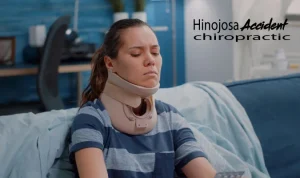
Whiplash is one of the most misunderstood injuries in accident care. The neck moves violently back and forth during impact, affecting muscles, ligaments, joints, and nerves. Pain, stiffness, headaches, and reduced range of motion may develop gradually.
When someone asks what is the hardest injury to prove, whiplash is always near the top of the list. There is no single test that confirms it. Diagnosis relies on clinical findings, movement analysis, neurological evaluation, and patient-reported symptoms. Without a chiropractor experienced in accident injuries, whiplash can be easily minimized or dismissed.
Nerve irritation and functional pain conditions
Another group of injuries that are difficult to prove involves nerve irritation and functional pain syndromes. Tingling, numbness, burning sensations, and radiating pain can occur even when imaging looks normal. These symptoms are often related to subtle spinal misalignments, inflammation, or soft tissue tension.
At our clinic, Dr. Carlos Hinojosa and Dr. Vladislav Kostin focus on functional assessments. We evaluate how the body moves, how nerves respond, and how daily activities are affected. This level of detail is essential when documenting injuries that cannot be captured in a single image.
Why delayed treatment weakens injury documentation
One of the biggest mistakes I see is waiting too long to seek care. Patients hope the pain will go away. When it does not, weeks or months have passed. At that point, proving that the injury came from a specific accident becomes more complicated.
If you are wondering what is the hardest injury to prove, the answer often depends on timing. Early chiropractic evaluation creates a clear medical record. It establishes a baseline, shows progression, and links symptoms directly to the accident. This documentation is vital for PIP insurance claims and legal cases.
The role of chiropractic care in accident injury proof
Chiropractic care plays a critical role in both treatment and documentation. We do not rely solely on imaging. We document range of motion, muscle tone, joint restrictions, neurological findings, and functional limitations. These details paint a complete picture of the injury.
Accident chiropractors are trained to recognize patterns specific to trauma. At Hinojosa Chiropractic, we see car accident injuries every day. Our evaluations are designed to support your recovery while also providing the medical records needed for insurance and legal purposes.
Emotional and physical stress after an accident
Stress and trauma are often overlooked aspects of accident injuries. Muscle tension, sleep disturbances, and headaches may worsen due to emotional stress. While these symptoms are real, they are sometimes dismissed because they do not fit neatly into a diagnostic box.
When discussing what is the hardest injury to prove, it is important to recognize that the body and mind are connected. Comprehensive chiropractic care addresses both physical dysfunction and the stress response that follows an accident.
Common mistakes that make injuries harder to prove
Many patients unknowingly make choices that weaken their case. Skipping appointments, stopping care too early, or failing to report all symptoms can create gaps in documentation. Insurance companies look for inconsistencies.
Clear communication with your chiropractor is essential. If something hurts, say it. If symptoms change, report it. Accurate records protect you and support your recovery.
Questions and answers about difficult-to-prove injuries
What is the hardest injury to prove after a car accident
Soft tissue injuries like whiplash and ligament damage are often the hardest to prove because they may not appear on standard imaging and rely on clinical evaluation.
Why do insurance companies question pain without imaging findings
Insurers often depend on objective tests. When imaging is normal, they may question the severity of symptoms despite clear functional limitations.
Can chiropractic records help prove an injury
Yes. Detailed chiropractic evaluations document movement restrictions, pain patterns, and neurological findings that support the existence of an injury.
How soon should I see a chiropractor after an accident
Are delayed symptoms still valid
Yes. Many accident injuries develop over time. Early evaluation helps connect delayed symptoms to the original incident.
Does PIP insurance cover chiropractic care
In many cases, yes. PIP insurance is designed to cover medical care after an auto accident, including chiropractic treatment.
What is the hardest injury to prove and the most common questions patients ask after an accident
What is the hardest injury to prove after an accident
Soft tissue injuries, including whiplash and muscle or ligament damage, are commonly the hardest to prove because they do not always show on imaging tests.
Why does pain sometimes start days after an accident
Inflammation and muscle guarding can take time to develop, which is why symptoms may appear after the initial shock wears off.
Can chiropractic care help with insurance claims
Yes. Chiropractic documentation provides detailed clinical findings that support injury claims and recovery timelines.
What happens if I wait too long to get treatment
Delaying care can weaken the connection between your injury and the accident, making it harder to prove the cause.
Are headaches after an accident a serious concern
They can be. Headaches often indicate neck or upper spine involvement and should be evaluated promptly.
Do I need imaging to prove my injury
Not always. Clinical evaluations and functional assessments are often enough to establish injury presence and severity.
What is the hardest injury to prove and why early chiropractic care can protect your case and your recovery
If you have been in an accident and are struggling to understand what is the hardest injury to prove, you do not have to navigate this alone. At Hinojosa Chiropractic, located at 205 NE 181st Ave, Portland, OR 97230, our team is dedicated to helping patients in Portland and Gresham recover safely and confidently. Dr. Carlos Hinojosa and Dr. Vladislav Kostin bring decades of experience treating accident-related injuries while assisting with PIP insurance and proper medical documentation. We offer same-day appointments and a compassionate approach focused on your recovery. Call (503) 926-7246 today to schedule your accident chiropractic evaluation and take the first step toward relief and peace of mind.