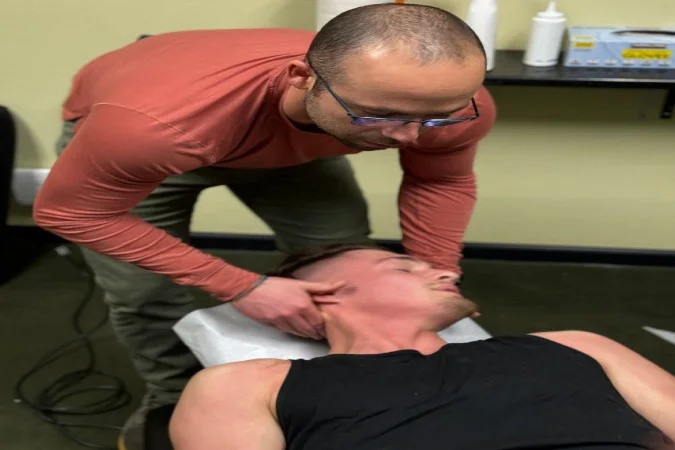

As a chiropractor specializing in treating car accident injuries, I often encounter patients who are navigating the complexities of insurance claims. Personal Injury Protection (PIP) in no-fault insurance states is a crucial component of these cases, ensuring that individuals receive timely medical care without the added stress of determining fault.
Understanding No-Fault Insurance and PIP
In no-fault insurance states, each driver’s insurance policy covers their own medical expenses and related costs, regardless of who caused the accident. PIP is an essential part of this system, providing coverage for:
- Medical expenses
- Lost wages
- Rehabilitation services
- Essential services, such as childcare or housekeeping
This framework allows accident victims to access immediate care, which is vital for effective recovery.
How PIP Benefits Patients in Chiropractic Care – PIP in No-Fault Insurance States
Immediate Access to Treatment
One of the primary advantages of PIP is the ability to receive care promptly. After an accident, patients often experience pain, stiffness, or mobility issues. PIP ensures they can start chiropractic treatment immediately without waiting for claim approvals or legal resolutions.
Coverage for Comprehensive Rehabilitation
Chiropractic care is a key part of recovery for many accident victims. PIP typically covers:
- Spinal adjustments to alleviate pain and restore mobility
- Physical therapy sessions to rebuild strength
- Diagnostic imaging to assess injuries
This comprehensive approach helps patients regain their quality of life more effectively.
My Experience with Patients Utilizing PIP – PIP in No-Fault Insurance States
In my Portland, Oregon practice, I’ve treated numerous patients who benefited from PIP coverage. One memorable case involved a patient who had sustained whiplash in a rear-end collision. Thanks to PIP, they were able to receive regular chiropractic adjustments and rehabilitative exercises without financial strain. Over time, their symptoms improved significantly, highlighting the importance of accessible care in recovery.
The Role of Chiropractors in No-Fault States
As a chiropractor, my role extends beyond providing treatment. I also:
- Document injuries thoroughly to support PIP claims
- Coordinate care plans with other healthcare providers
- Educate patients about their rights and coverage under PIP
This holistic approach ensures that patients receive both the medical and administrative support they need during a challenging time.
Challenges and Misconceptions About PIP
Misunderstanding Coverage Limits
Many patients are unaware of their policy’s PIP limits, leading to confusion about what is covered. It’s essential to review these details with your insurance provider.
Navigating Claims Denials
Occasionally, insurance companies may deny claims, citing insufficient documentation or other reasons. As a chiropractor, I prioritize maintaining detailed records to minimize these risks.
Why PIP Matters for Accident Recovery
Eliminating Financial Barriers
Medical expenses can quickly accumulate after an accident. PIP alleviates this burden, allowing patients to focus on healing instead of finances.
Encouraging Early Intervention
Delaying treatment can exacerbate injuries. PIP enables patients to seek care immediately, which is critical for preventing long-term complications.
Incorporating PIP Into Your Care Plan
If you’re in a no-fault state and have been in an accident, here’s how to make the most of your PIP coverage:
- Understand Your Policy: Know your coverage limits and eligible expenses.
- Seek Prompt Medical Attention: Visit a chiropractor or healthcare provider as soon as possible.
- Document Everything: Keep detailed records of your treatments and expenses.
- Communicate With Your Provider: Work closely with your chiropractor to ensure your care aligns with PIP requirements.
Why Choose Chiropractic Care for Accident Recovery?
Chiropractic care addresses both immediate pain relief and long-term recovery. Through personalized treatment plans, patients can:
- Reduce pain and inflammation
- Restore mobility and function
- Prevent chronic conditions stemming from untreated injuries
In no-fault insurance states, PIP makes this level of care accessible to everyone, underscoring its importance in comprehensive accident recovery.